When it comes to IG-100 fire suppression systems, many installation contractors, distributors and project investors ask a very practical question: nitrogen is abundant in nature and relatively inexpensive, so why is this system not much cheaper than other gas fire suppression solutions?
In practice, the cost of a gas fire suppression solution does not lie entirely in the extinguishing agent. The initial investment also depends on many other technical factors – above all, the operating pressure that every component must withstand. That is why many engineers are now turning to inert gas agent solutions to protect assets effectively and safely.

Nitrogen is cheap, but nitrogen storage systems are not simple
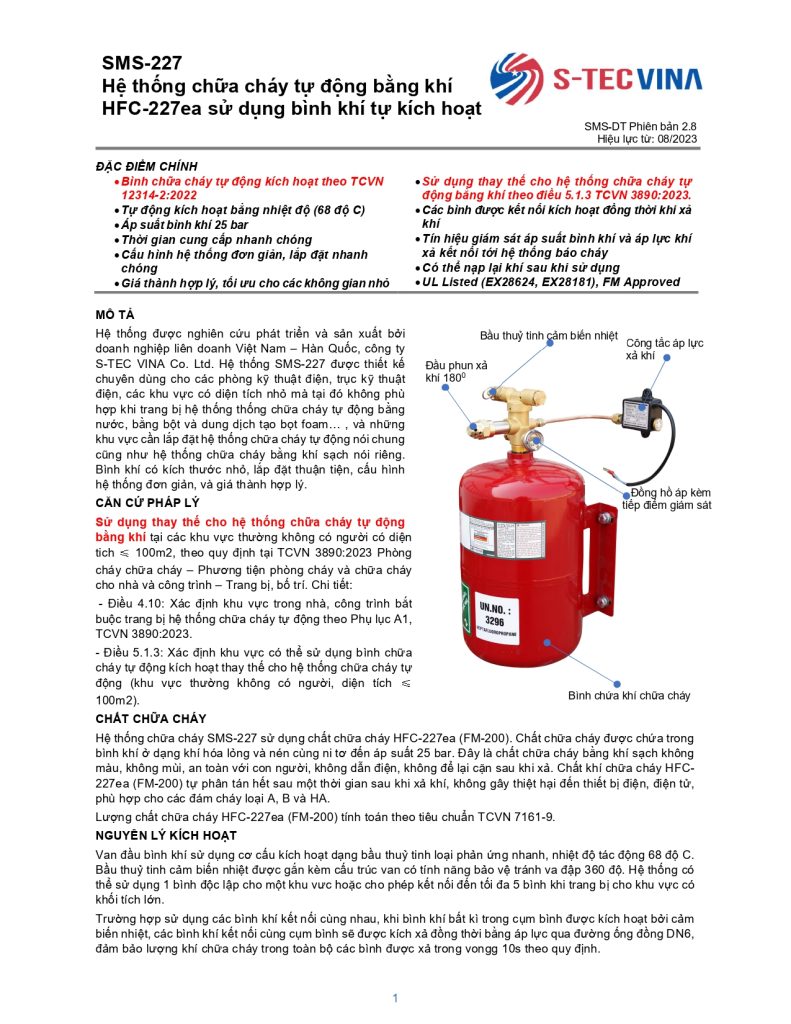
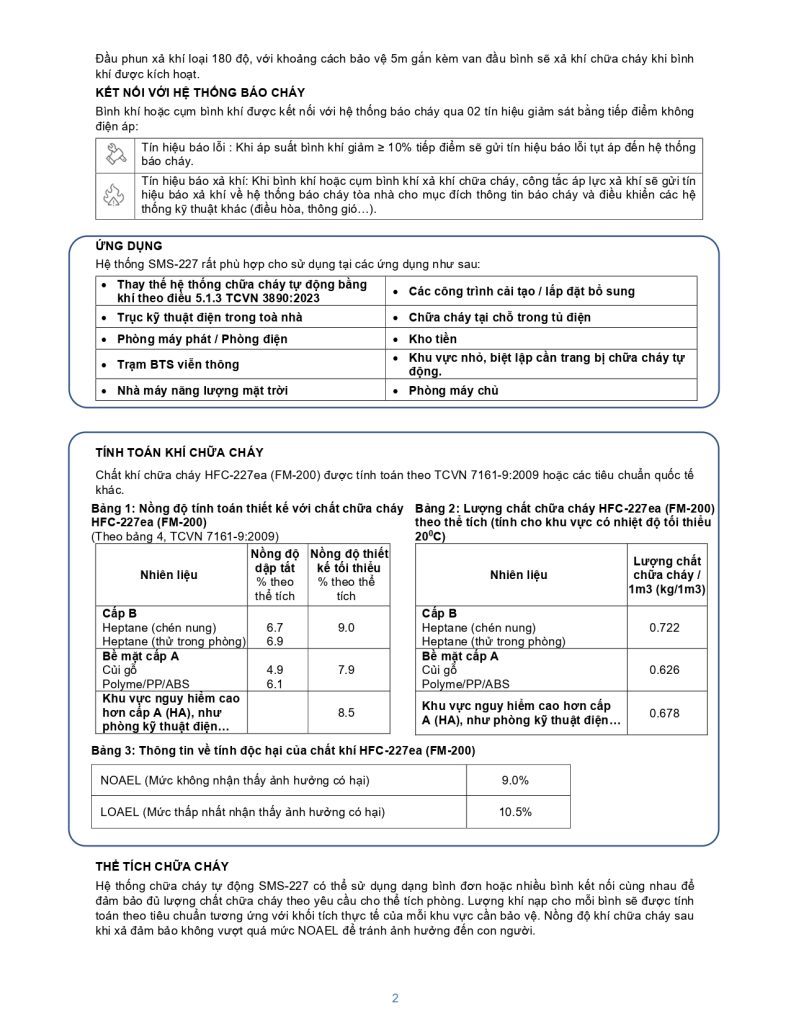
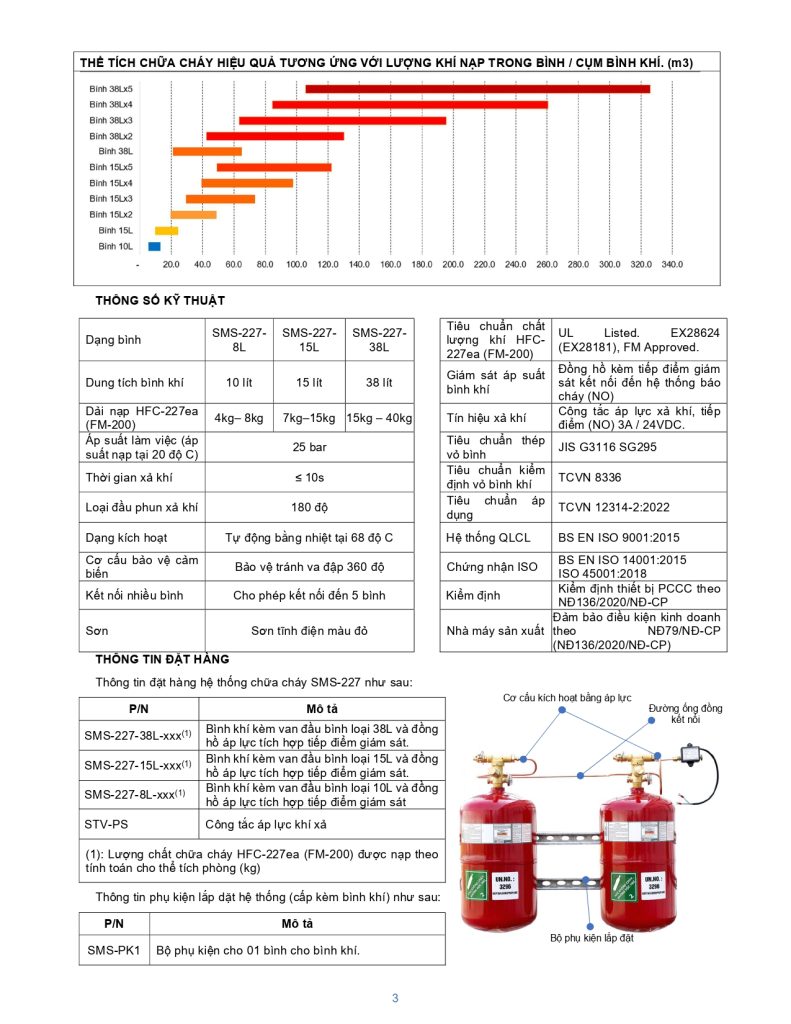
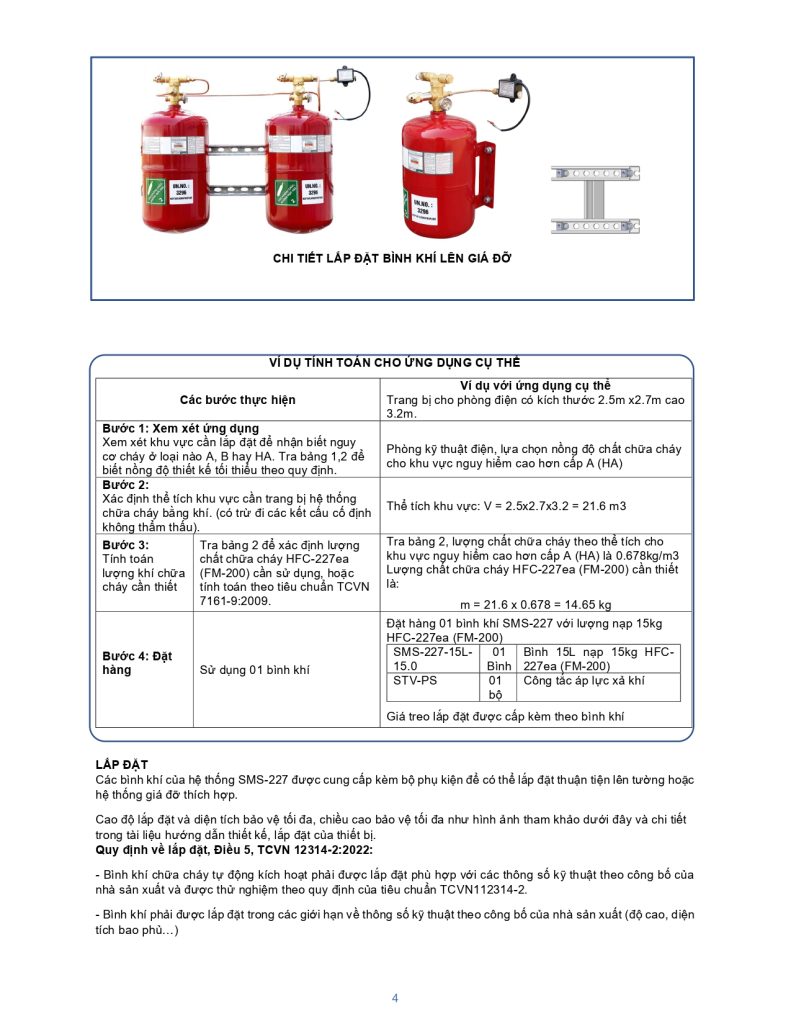
The IG-100 fire suppression system uses 100% nitrogen as the extinguishing agent. Nitrogen makes up about 78% of natural air and costs significantly less than chemical agents such as HFC-227ea or FK-5-1-12.
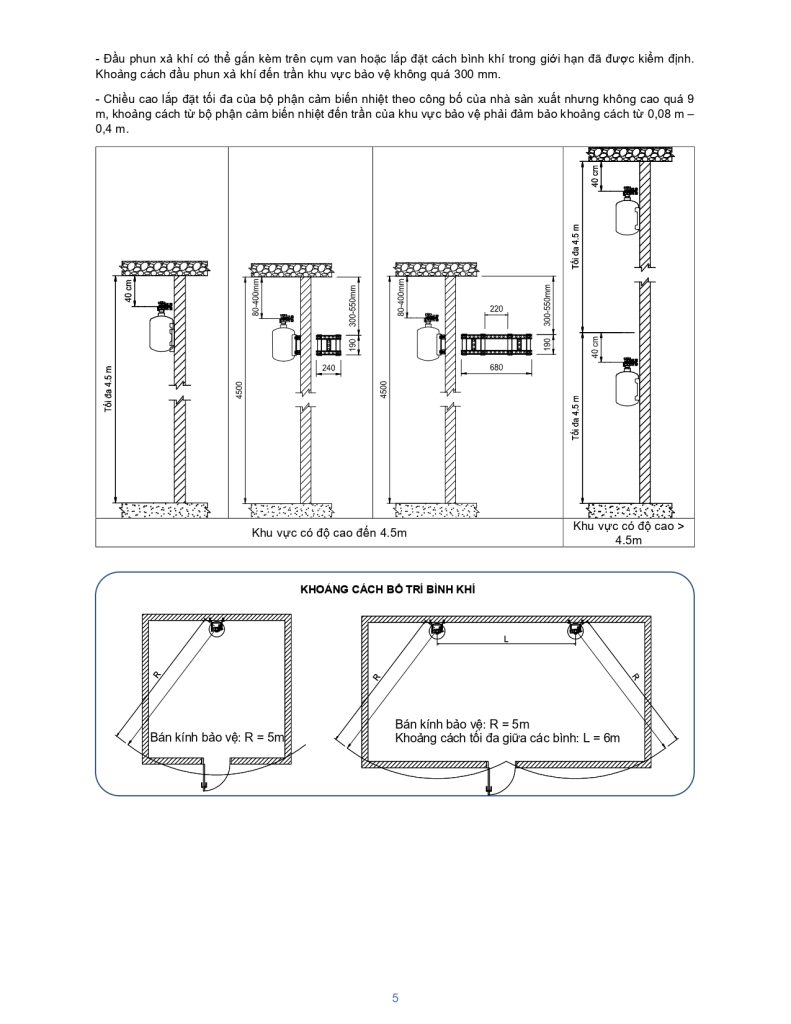
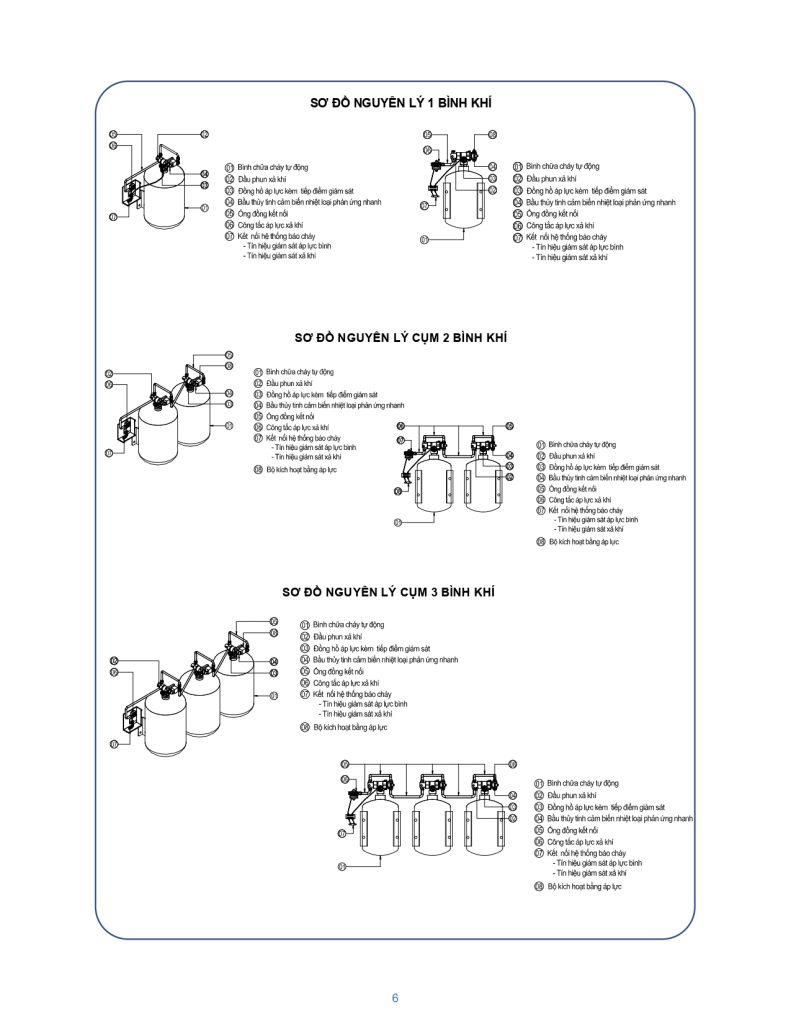
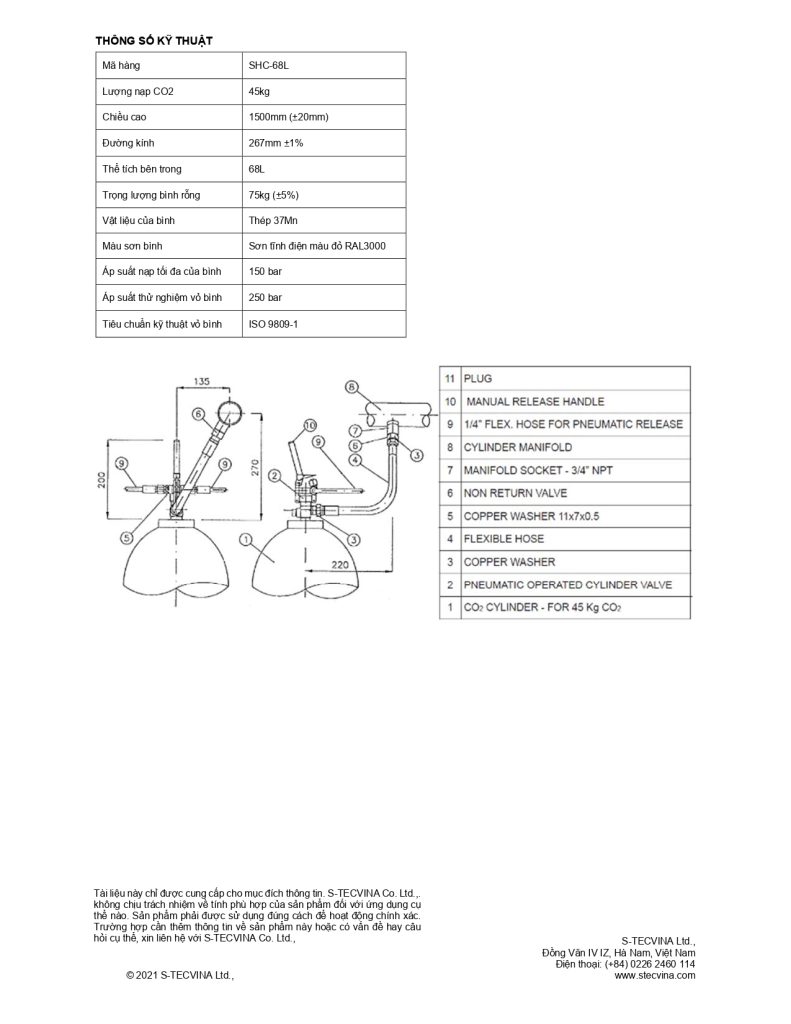
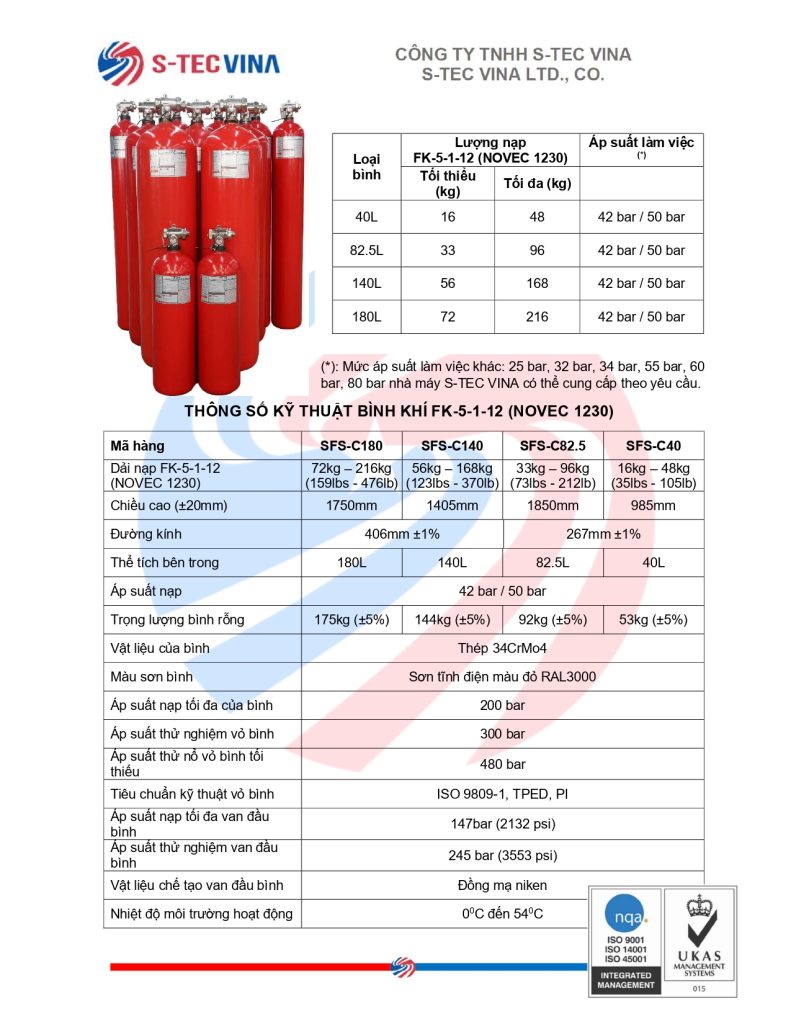
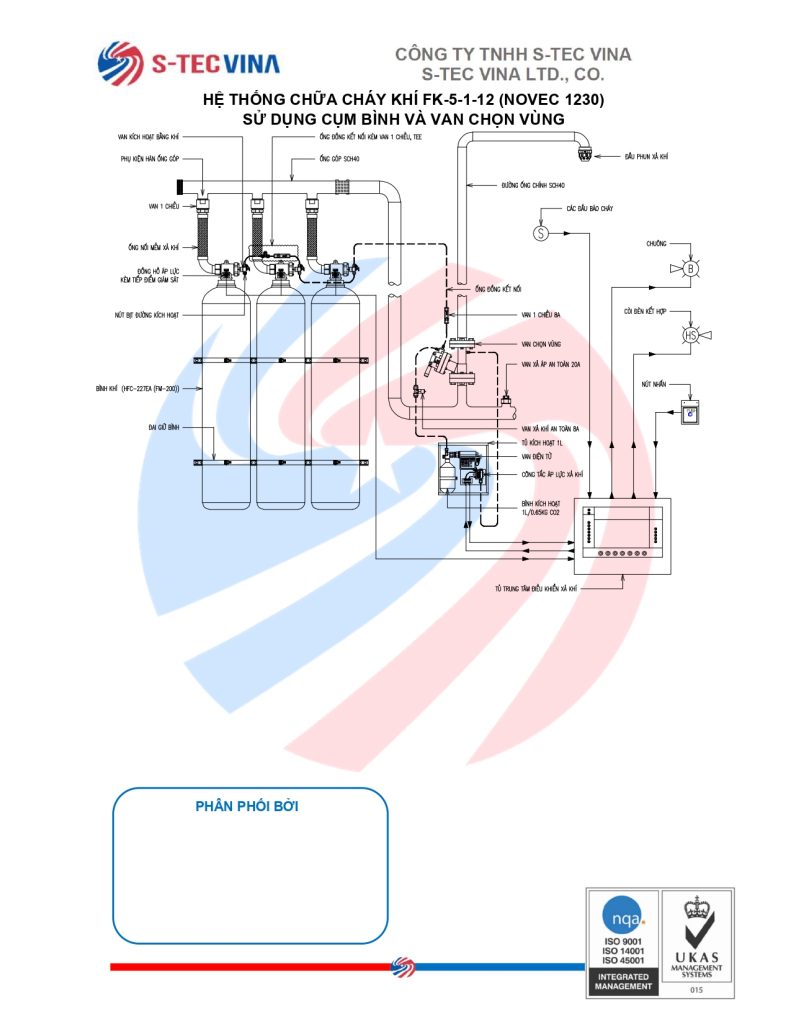
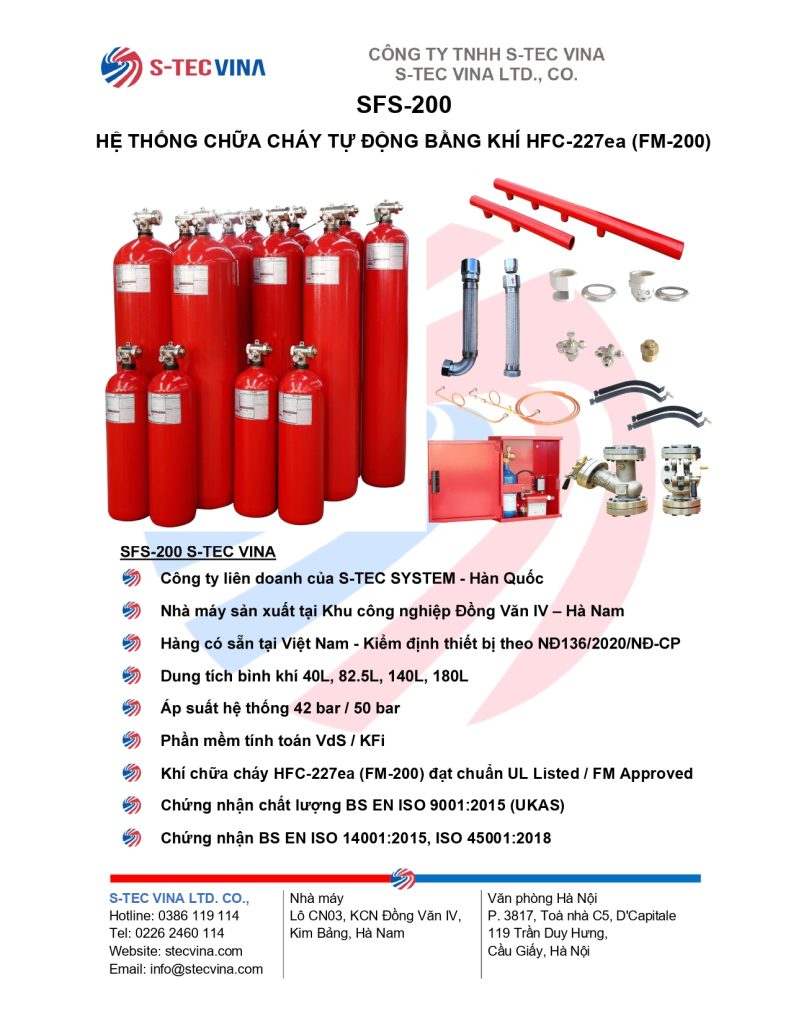
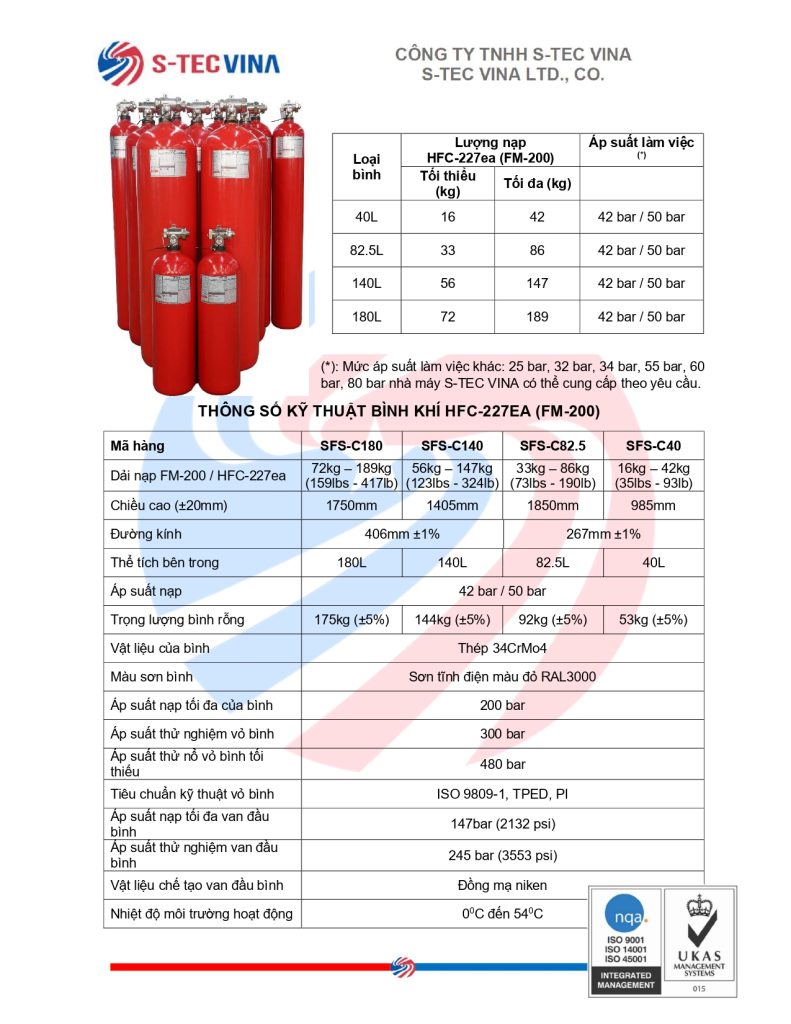
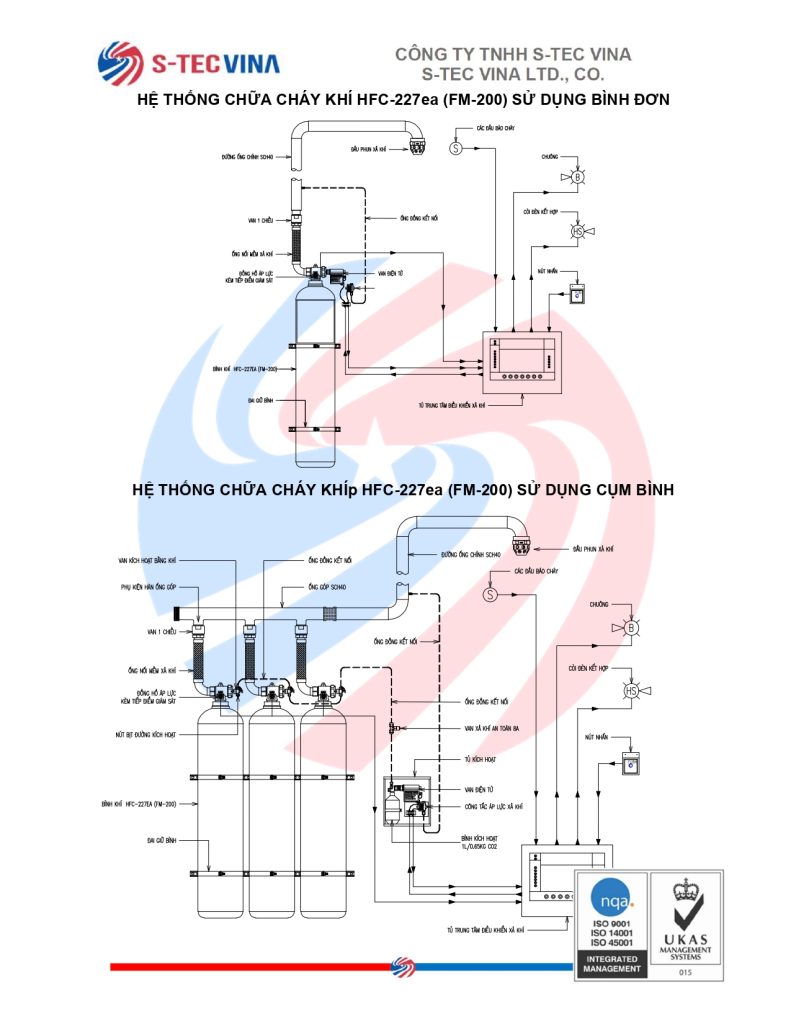
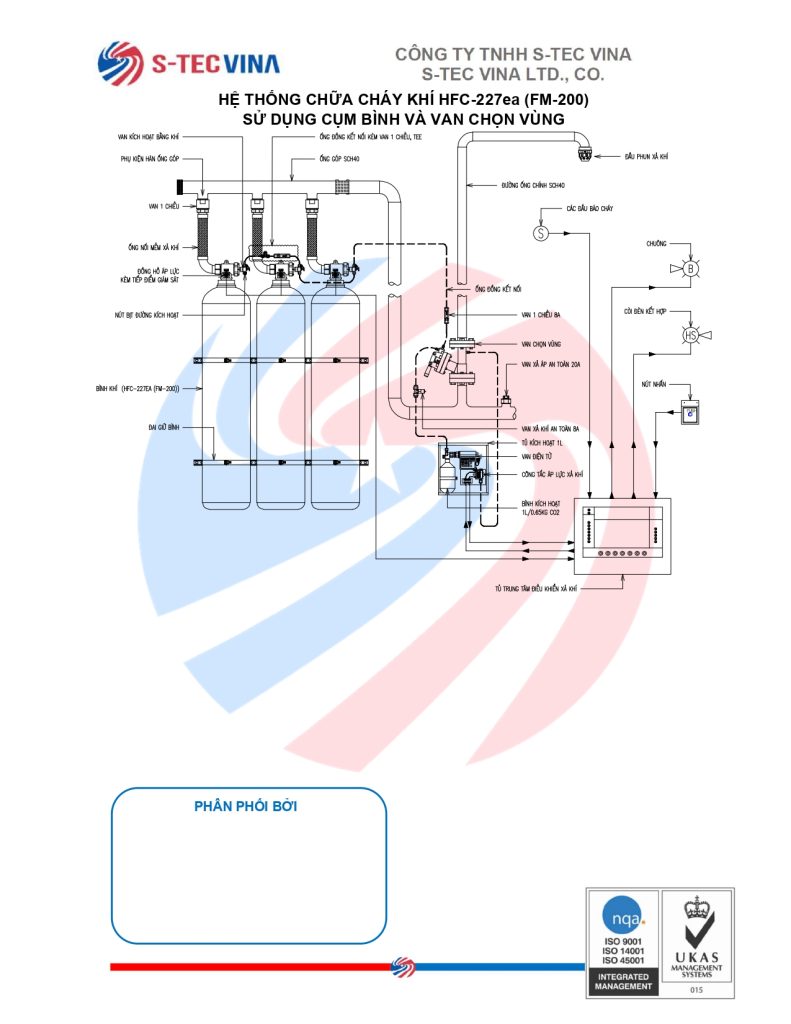
However, unlike liquefied gas agents, the nitrogen in a nitrogen fire suppression system is stored entirely as a gas at very high pressure, typically 200 to 300 bar. For comparison, this is many times higher than HFC-227ea systems, which are typically super-pressurized with nitrogen to 25 bar, 42 bar or 50 bar.
It is this very high working pressure that creates a large difference in the system’s hardware cost.
Cylinders must be thicker and withstand higher pressure
When the operating pressure rises to hundreds of bar, a nitrogen fire suppression system built to the standard cannot use conventional cylinder construction.
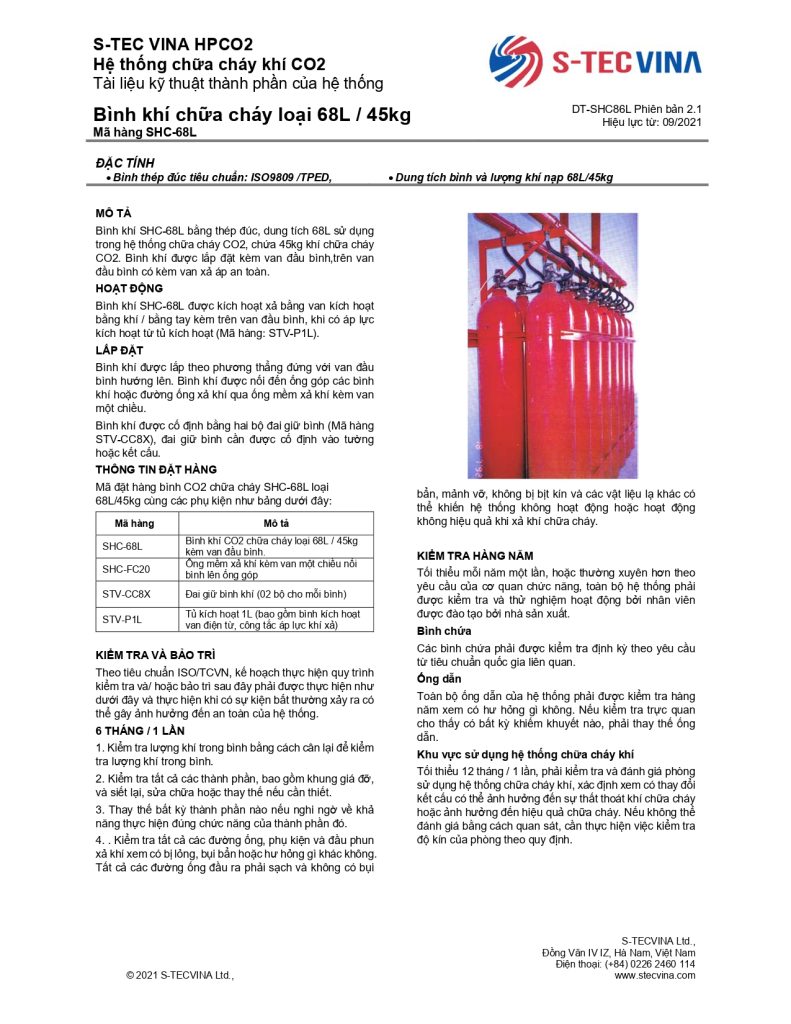
Cylinders must be designed with thicker walls, made from specialised materials and produced under strict manufacturing processes to withstand pressure reliably over a long service life. Beyond manufacturing cost, these high-pressure cylinders must also undergo hydrostatic testing, quality inspection and strict safety controls as required by the competent authorities. This is one of the technical factors that makes the overall cost of IG-100 fire suppression systems rise significantly.
Not just the cylinder – the entire system must be rated for high pressure
Many people focus only on the price of the gas and forget that the extinguishing agent is only one part of the overall system.
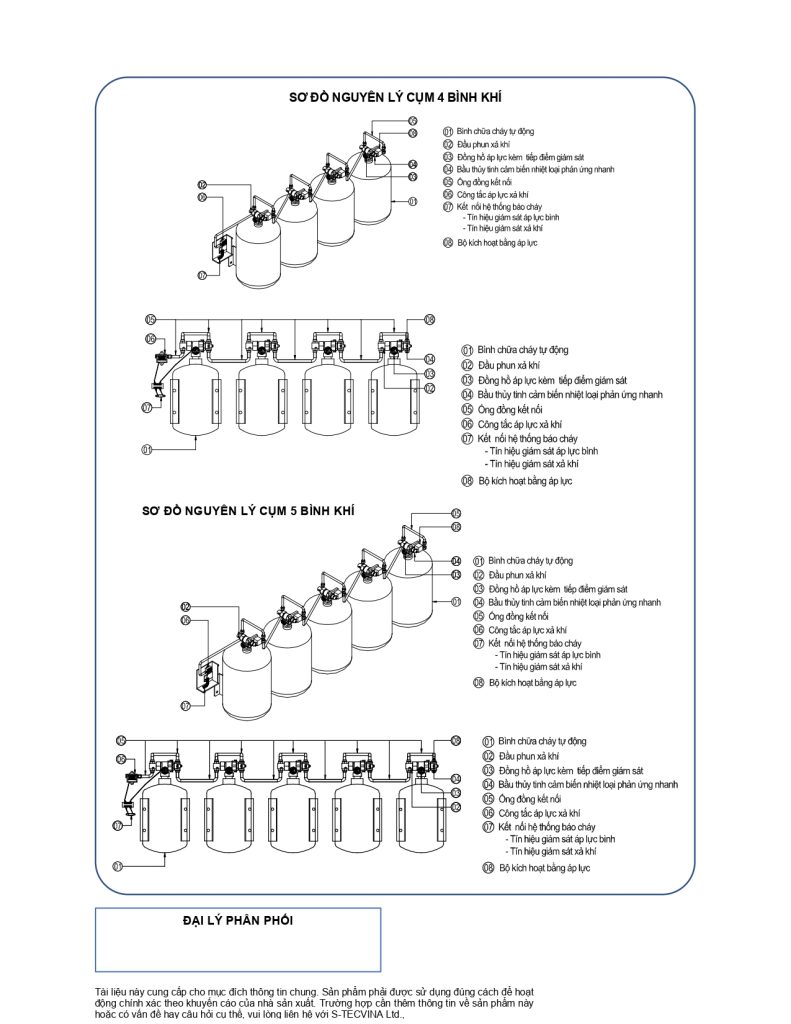
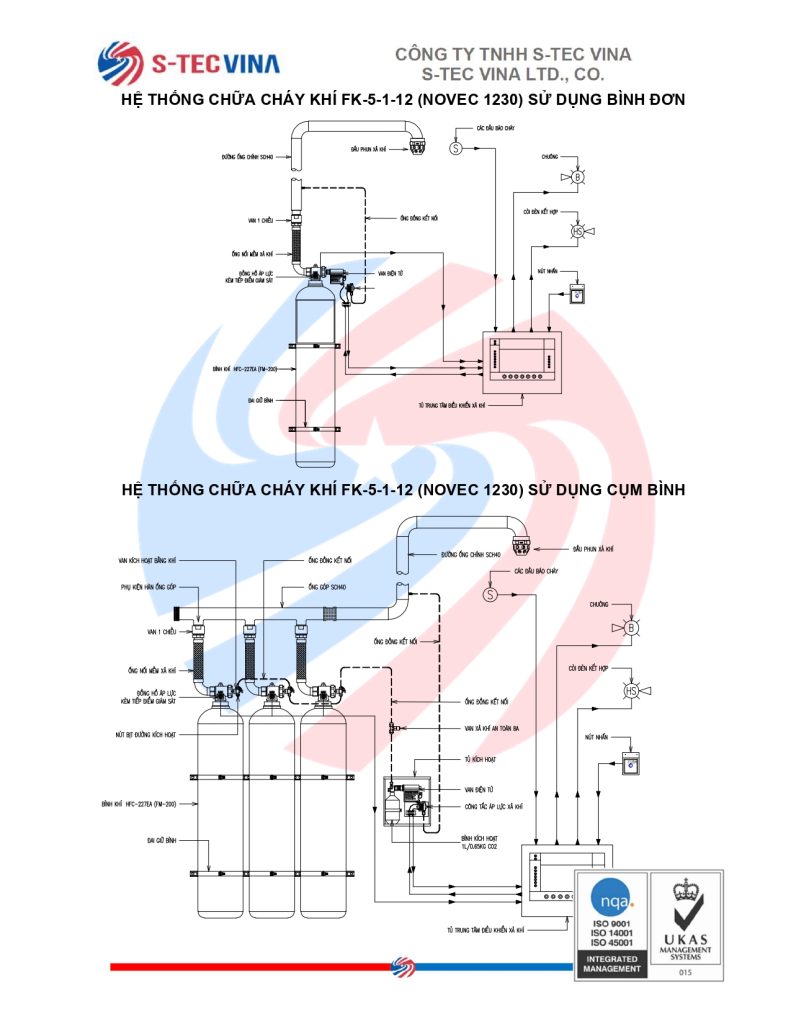
When working at pressures of 200 to 300 bar, the ancillary components of a nitrogen fire suppression system – such as cylinder valves, pressure reducers, manifolds, fittings and piping components – must also be designed for more demanding working conditions. This means higher requirements for manufacturing technology and material standards than for low-pressure systems. This somewhat higher initial equipment investment is offset by lower gas fire suppression system maintenance costs later on, provided the system is engineered as a whole.
In return: worthwhile advantages
Although the initial equipment investment requires a proper budget, this solution delivers many long-term benefits and fits the trend towards sustainable development. Because it uses only natural nitrogen, this inert gas agent does not deplete the ozone layer, leaves no residue after discharge and will not be affected by future HFC greenhouse gas quotas.
That is also why a growing number of investors in energy, data centers, technical infrastructure and key national projects are paying close attention to the inert gas agent family, such as IG-100, IG-55 and IG-541.
Another advantage of IG-100 systems from S-TEC VINA
Besides the environmental benefits and extinguishing performance, customers who choose IG-100 fire suppression systems manufactured and supplied by S-TEC VINA also gain a practical benefit over the system’s long service life.
For complete systems manufactured at S-TEC VINA’s factory, when the system discharges or needs recharging during scheduled maintenance, S-TEC VINA applies a support policy: the nitrogen used for refilling is free of charge, significantly reducing gas fire suppression system maintenance costs. Customers only cover costs related to transport, technical inspection of the pressure cylinders, or component servicing where required.
While many investors focus only on the initial investment, it is the operating cost over the full life cycle that determines long-term economic value. With no agent cost at refilling, customers significantly reduce gas fire suppression system maintenance costs, especially for large systems or systems that require periodic drills and tests under the regulations.
Alongside its HFC-227ea and FK-5-1-12 product lines, the S-TEC VINA factory now has complete in-house production capability for inert gas solutions, meeting the green development trend and the market’s diverse needs.
*************************
S-TEC VINA – Vietnam’s leading manufacturer of gas fire suppression systems
Factory address: Lot CN03, Dong Van IV Industrial Park, Le Ho Ward, Ninh Binh Province
Representative office: Tower C5, D’Capitale, 224 Tran Duy Hung Street, Yen Hoa Ward, Hanoi
Hotline: 0386 119 114
Email: info@stecvina.com
Website: https://stecvina.com/
 EN
 VI